
Why Your Water Heater Struggles in Washington Winters—and How to Fix It
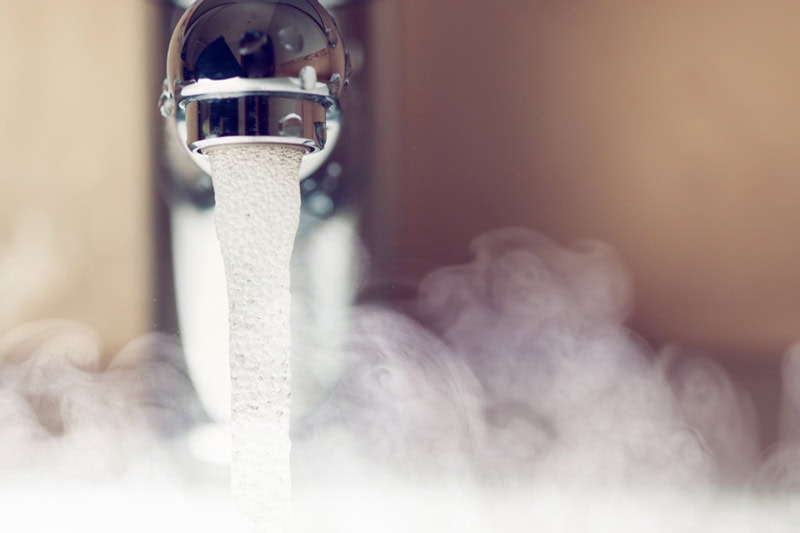
How is your water heater faring this winter?
If you are dealing with lukewarm showers or your washing machine runs out of water mid-cycle, you are not alone. Many homeowners in King and Snohomish counties face similar frustrations because water heaters often struggle more in cold weather.
At Ballard Natural Gas Service, we know exactly why your water heater seems to limp along in winter. We’ve been keeping homes in the Puget Sound region comfortable since 1993, and have dealt with many water heaters that work harder this time of year. Poor water heater performance in winter is not a figment of your imagination.
The first step toward resolving water heater issues is understanding why they occur and what you can do about them.
Why Does My Water Heater Struggle in the Winter?
The struggle starts with Delta T—the difference between the water entering your heater and the desired hot water temperature.
In a mild Seattle summer, incoming water might be 60°F. If your water heater is set to 120°F, it only needs to raise the water temperature by 60 degrees. In winter, incoming water can drop to 40°F or lower. Your water heater now must bridge an 80-degree gap.
That extra 20 degrees needs much more energy and heating time. If you have a traditional tank, recovery time—the time it takes to heat a new batch of water—can double, forcing the unit to work harder.
Increased winter demand
Habits change in winter: longer, hotter showers to thaw out, more laundry for heavy clothing, and more guests during holidays. This mix of colder incoming water and higher demand taxes an aging water heater.
3 Ways to Improve Water Heater Performance
If you aren’t ready for a replacement, there are steps you can take to boost efficiency:
Insulate Your System: If your heater is in a garage or unconditioned basement, install a water heater blanket. Additionally, use foam pipe insulation on the first six feet of the hot and cold water lines to prevent standby heat loss.
Schedule a Tank Flush: At Ballard Natural Gas Service, we recommend an annual tank flush. Removing sediment buildup allows the burner to heat the water directly rather than heating through a layer of “rocky” minerals.
Adjust the Thermostat: The standard safe thermostat setting is 120°F. You can bump it up to 125°F in the winter to help with the Delta T, but avoid going higher to prevent scalding and wasted energy.
How to Tell If Your Water Heater Is Inefficient
Is your system struggling because of the cold, or is it time for a replacement? Watch for these red flags:
Popping Sound: This sound indicates heavy sediment buildup. Minerals settle at the bottom, forming a crust that forces the burner to work harder, wasting energy and risking tank damage.
Slow Recovery: If it takes hours for hot water to return after a single shower, your electric elements or gas burner may be struggling.
Lukewarm Water: If your water never heats up, the thermostat or internal dip tube might be failing.
Corrosion: If there’s rust on the tank, the unit is corroding from within. The unit is poised to leak.
Why Upgrade to a Tankless Water Heater in Washington?
Tired of staggering showers in your home or waiting for a tank to refill before cleaning up? It may be time to embrace new technology.
A tankless water heater, like the high-efficiency Navien units our Ballard Natural Gas Service technicians install, doesn’t store water. It uses a heat exchanger to flash-heat water as soon as you turn on the tap.
According to the U.S. Department of Energy (DOE), tankless units can be 24 to 34 percent more efficient than conventional tank water heaters in homes that use 41 gallons or less of hot water daily. In homes that use approximately 86 gallons per day, tankless heaters can be up to 14 percent more energy efficient than their tank-style counterparts.
You can take a shower, run the dishwasher, and do laundry simultaneously without the temperature dropping, and you don’t pay to heat 50 gallons of water hot when you aren’t using it. You only pay for the hot water you actually use.
Tankless units are suitcase-sized and wall-mounted. With maintenance, they can last over 20 years.
Contact Our Local Plumbing Experts Today
Now that you know why your tank water heater is struggling to perform efficiently, it’s time to maintain or upgrade your system. Our licensed technicians at Ballard Natural Gas Service are experts in Washington’s unique plumbing challenges.
We are here to help, whether you need a professional flush to get through the season, or a free estimate on a new, high-efficiency tankless unit. Call us at 206-784-8101 or request service online.