
Signs Your AC Needs a Tune-Up or Replacement
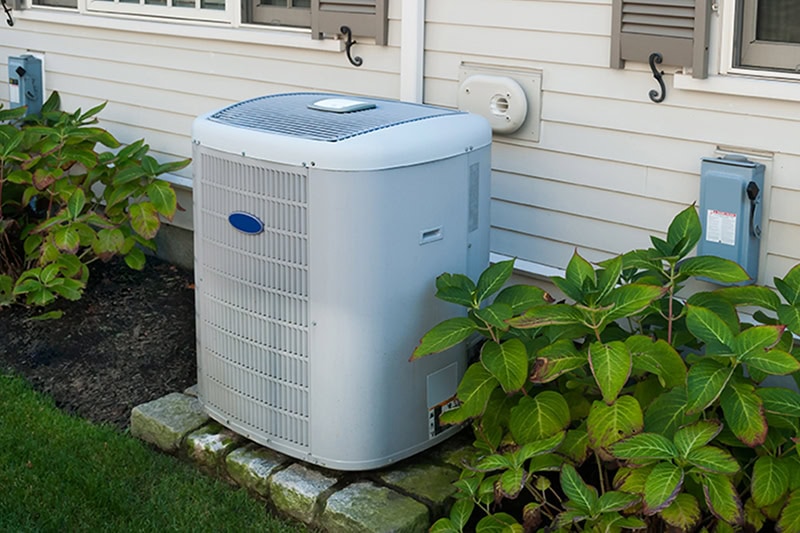
Spring has already delivered a few 80‑degree days across Puget Sound, forcing homeowners and surrounding areas to turn on their air conditioning units well before they normally would.
Another blanket of stifling hot weather is on the way mid-month in June, prompting more round-the-clock AC usage. If you haven’t already scheduled a tune-up for your AC, now’s the time.
Tune Up the AC in Your Washington Home ASAP
At Ballard Natural Gas Service, we stress the value of annual spring maintenance because it prepares your system for hot weather. After months of downtime, many AC systems often reveal problems that a simple spring tune-up can prevent.
Even if your AC seems fine, annual maintenance is essential. If your system shows signs of strain after just a few days of high temperatures, it’s not going to recover on its own before the first summer heatwave.
Let’s look at a few of the most common signs that your AC needs attention, along with why routine tune‑ups matter and what you can do at home to keep your system running smoothly.
Why Isn’t the AC Cooling My Home?
Low refrigerant, clogged coils, or restricted airflow can cause warm air to blow from your vents. You might notice certain rooms never quite reach the temperature you set, or the system runs longer than usual to cool your home.
Why Are My Electric Bills High?
When your AC has to work harder to produce the same amount of cooling, it shows up on your electric bills. A sudden spike in energy costs—especially before summer has even begun—is a strong indicator that your system is losing efficiency. The fix can be as simple as a thorough cleaning and airflow adjustment.
Why Is My AC Making Noises?
Air conditioners shouldn’t rattle, grind, squeal, or bang. Loose parts, failing motors, or debris caught in the system can set off strange AC noises. These issues can escalate quickly, turning a minor repair into a major one if left unaddressed.
Why Does the Airflow From My AC Feel Weak?
A faulty blower motor, blocked vents, or even a dirty air filter can cause airflow to feel weak. Try to remove any obstructions near the air vents and replace your system’s air filter. If that doesn’t resolve the problem, it’s time to call Ballard Natural Gas Services for a diagnosis.
Why Is My AC Leaking Water?
A clogged drain line can cause water to pool around your indoor unit. The trick to keeping your AC condensate line clear is to flush it with one cup of distilled white vinegar every few months. Vinegar will kill mold and algae that cause the buildup.
If you are worried about refrigerant leaks, the telltale signs are frost buildup on refrigerant lines and the evaporator coil. You might also see oily residue on the lines and hear hissing sounds. Turn off your AC and call us at Ballard Natural Gas Service if you suspect refrigerant has escaped from your cooling system.
Why Is My AC Icing Up?
Low refrigerant or poor airflow can cause the AC to freeze if it continues to run. It starts with ice forming on your indoor evaporator coils, which you won’t notice unless you open the cabinet that houses the coil.
Next, the copper pipes that hold your system’s refrigerant may appear frosty, and finally, the ice may even reach the outdoor condenser coils or compressor.
Turn off the AC system, allow the coils to defrost, and call us to fix the underlying issue.
Is It Ok to Run My AC Unit Into the Ground?
If your AC is over a decade old, it has nowhere to go but downhill. You can try to keep it running as long as possible—and avoid the cost of installing a new system—but along the way, it will continue to lose efficiency.
Poor efficiency translates into higher electric bills and possibly more repairs.
Even well-maintained systems eventually become too costly to keep up. New systems are more efficient, quieter, and better suited for our increasingly warm summers.
Why Your AC Needs a Tune-Up
A tune-up is proactive, whether it is for your car or your AC. You don’t delay oil changes and spark plug replacement for your vehicle, so why put off safety and mechanical inspections for your AC? A tune-up discovers minor problems before they become full-blown breakdowns.
Preventative maintenance boosts energy efficiency, keeps your electric bills in check, and extends the lifespan of your AC. A clean system also means better indoor air quality (IAQ).
What You Can Do for Your AC
Here are a few simple steps you can take to support your AC system:
Air Filter: Check your air filter monthly. If you see dirt or debris, replace the filter with a clean one. The rule of thumb is to replace standard 1-inch filters every 30 to 90 days. Higher-efficiency filters last from six months to one year. A dirty filter is one of the most common causes of poor performance.
Outdoor Unit: Keep the area around the unit clear. Remove leaves, branches, and debris that might obstruct airflow.
Air Vents: They should be open and unobstructed by furniture, rugs, or other items.
Thermostat: If temperatures seem inconsistent, the thermostat—not the AC—may be the culprit.
Weird Behavior: Catching unusual sounds or performance issues early can prevent bigger problems. Make it a habit to listen and observe.
These small habits help your AC run more efficiently and reduce the likelihood of surprise repairs.
When It’s Time to Consider Replacement
Replacement may be the smarter long‑term investment if your AC is older, frequently breaking down, or struggling to keep up on warmer days. New systems may offer features your outdated unit lacks, as well as better efficiency and quieter operation.
Let Ballard Natural Gas Service show you how a new AC unit can improve your family’s comfort.
Schedule an AC Tune-Up in Seattle, WA
Occasional unseasonably hot days can add up and strain your AC system if it’s not given a preventative checkup first. With longer stretches of heat around the corner, it’s time to schedule maintenance with us at Ballard Natural Gas Service. Call us at 206-395-3749 or request service online.